
What's the best survival skill? Never needing it in the first place.
Updated: Sep 17
The difference between an epic adventure and a survival nightmare is usually about three decisions. And those three decisions are mistakes that were made because of lack of knowledge, lack of skill or lack of fitness.
Many situations could have been prevented because people got lost. Or because they didn't realize the way they were feeling was hypothermia. Some people end up in dire situations over something seemingly minor- like a sprained ankle.
But here's what most people don't realize: the skills that save your life in a survival scenario aren't often the same skills that keep you out of one in the first place.
There are five core competencies that will keep you out of survival scenarios
These competencies won't make for exciting campfire stories. But they're what separate people who have incredible wilderness experiences from people who end up on search and rescue reports.

Plan Ahead & Prepare: The 10 Essentials
The first principle of Leave No Trace is 'Plan Ahead and Prepare.' But what does that actually mean? How does one accomplish this? We start by analyzing where we're going, what we'll be doing there, who we'll be doing it with, and what time of year we'll be doing it in. This enables us to ensure we have the right gear, knowledge and skill for our distantion, activity and group we'll be with. The 10 essentials is a great framework to help us plan and organize gear we take into the backcountry to keep us self-sufficient in the wild. Using a framework of categories based on function- instead of a list of items- make it easy to alter the contents to fit the environments we head into and activities we enjoy without forgetting critical equipment, or bringing an item not well suited for what we’re doing and where we’re going. Using a category framework is endlessly adaptable and yet still comprehensive.
Want to learn more about the 10 essentials framework? Check out the blog post HERE or join us for a FREE 10 Essentials hike!
Wilderness Navigation: Don't get Lost in the first place
Getting lost isn't just about not knowing where you are—it's also the cascade of bad decisions that follow when you realize you're lost.

Navigation skills do two critical things:
They keep you from getting lost in the first place. Knowing how to read terrain, use a map and compass, track your progress, and recognize landmarks means you maintain situational awareness throughout your trip.
They keep you from panicking when you DO get disoriented. When you have navigation skills, getting temporarily off-route doesn't trigger panic. You have a process: stop, assess, orient yourself, make a plan. This calm, methodical approach prevents the kind of panicked decision-making that turns "I'm not sure exactly where I am" into "I'm genuinely lost and making it worse."
The person with solid navigation skills doesn't decide to bushwhack down a steep ravine because "water leads to people" (spoiler, it doesn't) They stop, pull out their map, identify landmarks, and make informed decisions based on what they see not what they feel.
Wilderness First Aid: Reading Your Body and Environment
Most people think wilderness first aid is about treating injuries. And it is—but more importantly, it's about recognizing when your body or someone else's is starting to struggle before it becomes an emergency.

Wilderness first aid training teaches you to:
Recognize early signs of hypothermia, heat exhaustion, dehydration, and altitude sickness before they become life-threatening
Understand how environmental conditions affect your body -like how quickly you can go from "fine" to hypothermic in wet, windy conditions even when it's 55°F
Make critical evacuation decisions under stress -Can this person walk out? Do we need to call for rescue and put others at risk? Can we manage this in the field or do we need to get out NOW?
Here's a real example: You're on day three of a backpacking trip and your friend is complaining of a headache, their pace has slowed and they seem irritable. Someone without wilderness first aid training might think "they're probably just tired" and keep hiking. Someone with training recognizes potential early heat exhaustion, immediately stops in shade, assesses vital signs, starts active cooling and rehydration, and adjusts the day's plan accordingly.
That recognition and response prevents a situation that could have escalated to heat stroke, collapse, and a helicopter evacuation.
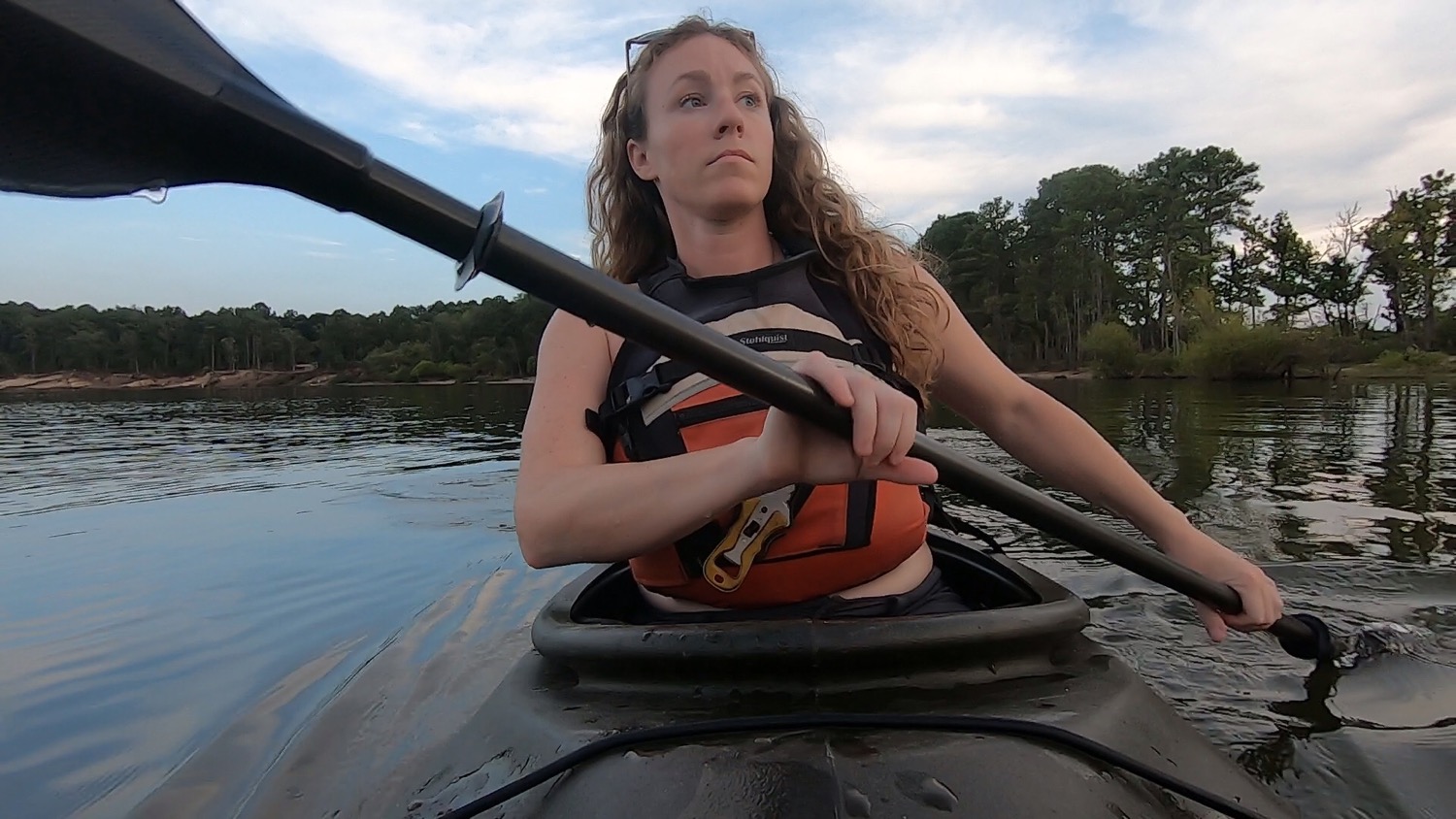
My patient this past summer who had a seizure while sea kayaking? That happened because he got dehydrated and didn't eat enough, the combination of which made his magnesium levels so low he had a seizure- that caused him to be unconscious and underwater- a dire situation he is lucky to have survived.
Wilderness first aid prevents survival scenarios by teaching you to read your body's early warning signs, understand how environmental conditions can create medical emergencies, and make sound evacuation decisions before situations become critical.
Fitness: Your Most Reliable Piece of Gear
This one surprises people, but physical fitness might be the most underrated survival skill.

When you're fit, you have:
A larger safety margin. You can hike out faster if weather deteriorates. You can carry a heavier pack if someone else is hurt or struggling. You can assist an injured partner.
Better decision-making under stress. Physical exhaustion impairs judgment. When you're not completely gassed, you think more clearly.
Resilience against environmental stressors. Your body handles cold and heat better. You recover faster. You're less susceptible to altitude issues. You don't sprain your ankle slipping on an unstable rock.
I've seen trips go sideways because people underestimated the physical demands. Entire trip plans changed because one person thought sea kayaking would be easy. He demanded an epic trip with high daily mileage, but was gassed after a 2 mile paddle in mild conditions. A day hike to Jebel Qihwi in Oman turned into a 20 hour epic because a guy thought his recently replaced knee would be fine.
Fitness isn't about being an ultra-athlete. It's about your body being able. to handle the stressors of wilderness travel without debilitating injury.
Fitness can prevent survival scenarios by preventing injuries from happening in the first place, providing a safety buffer when things do go wrong, and enabling better mental clarity under stress. Fitness can also be the difference between life and death for you or one of your teammates, or even a complete stranger. Read about how a climber, EMT and SAR volunteer ran blood to an injured climber and saved his life HERE.
Survival Skills: Your Backup Systems
Here's the irony: wilderness survival skills are actually some of the best tools for preventing survival scenarios.
I know right?
When you have survival skills, you have backup systems for when gear fails. And gear always eventually fails.
Your tent pole snaps in high winds? You know how to improvise repairs or build an emergency shelter.
Your water filter breaks? You can start a fire and boil your water.
Your stove fails in cold weather? You can start a fire and cook anyway. Plus you know that you can skip a meal without any damage to your body.
You get soaked in unexpected rain? You understand thermodynamics and the dangers of wet clothing, so you prevent hypothermia through active warming, changing layers, and creating heat.
The person without survival skills relies on their gear to work perfectly. When it doesn't, they're suddenly in a survival situation.
The person WITH survival skills has redundancy built into their knowledge base. Gear failure is an inconvenience, not an emergency.
WHY ALL FIVE MATTER
Notice how these four competencies overlap and reinforce each other?
Planning Ahead ensures you're bringing the right gear for the environment, activity, location and population on your trip. But the best map, med kit and fire starter won't help you without the right training and practice.
Navigation keeps you from getting lost and helps you make good decisions if you do get disoriented
First aid helps you recognize and respond to medical issues before they become critical, and respond (instead of panic) if someone does get seriously hurt
Fitness makes you less likely to get hurt in the first place, and capable of going harder or longer when you need to.
Survival skills provide backup systems when equipment fails
Remove any one of these, and your margin for error shrinks dramatically.
With all five, you can handle bad weather, gear failures, navigation challenges, and physical demands without escalating into emergency mode. Capability is what fuels confidence.


Comments