
The 10 Essentials: a Systems Method
Why You Need it
There's a reason the first principle of Leave No Trace is Plan Ahead and Prepare. Most people who need rescuing did not plan or prepare for their trip properly- and they end up in a survival scenario because of it. But what does plan ahead and prepare and prepare actually mean? How to we accomplish being prepared?
That first step in a trip plan- even something as simple as a day hike- consists of several considerations:
What activity are you doing?
Where are you going?
Who are you going with?
How many people are with you?
What time of year is it?
What level of training do you have?
How long do you plan to be out for?
Throw the list out (kind of)
You know the one I'm referring to. It's the one that comes up if you Google '10 Essentials:' knife, headlamp, extra jacket, water bottle......etc. A standard item list doesn't take the specifics of your trip into consideration. That down jacket won't keep me warm if I'm kayaking. A knife is not going to help me fix my bike when I'm broken down on the side of the trail.
SYSTEMS are superior

This framework of categories based on function make it easy to alter the contents to fit the environments we head into and activities we enjoy without forgetting critical equipment, or bringing an item not well suited for what we’re doing and where we’re going. Using a category framework creates an endlessly adaptable system that can still be comprehensive.
The 10 Essentials Systems
Navigation
Communication
Illumination
Hydration
Nutrition
Insulation
Protection
Safety & Rescue
Tools & Repair
Fire
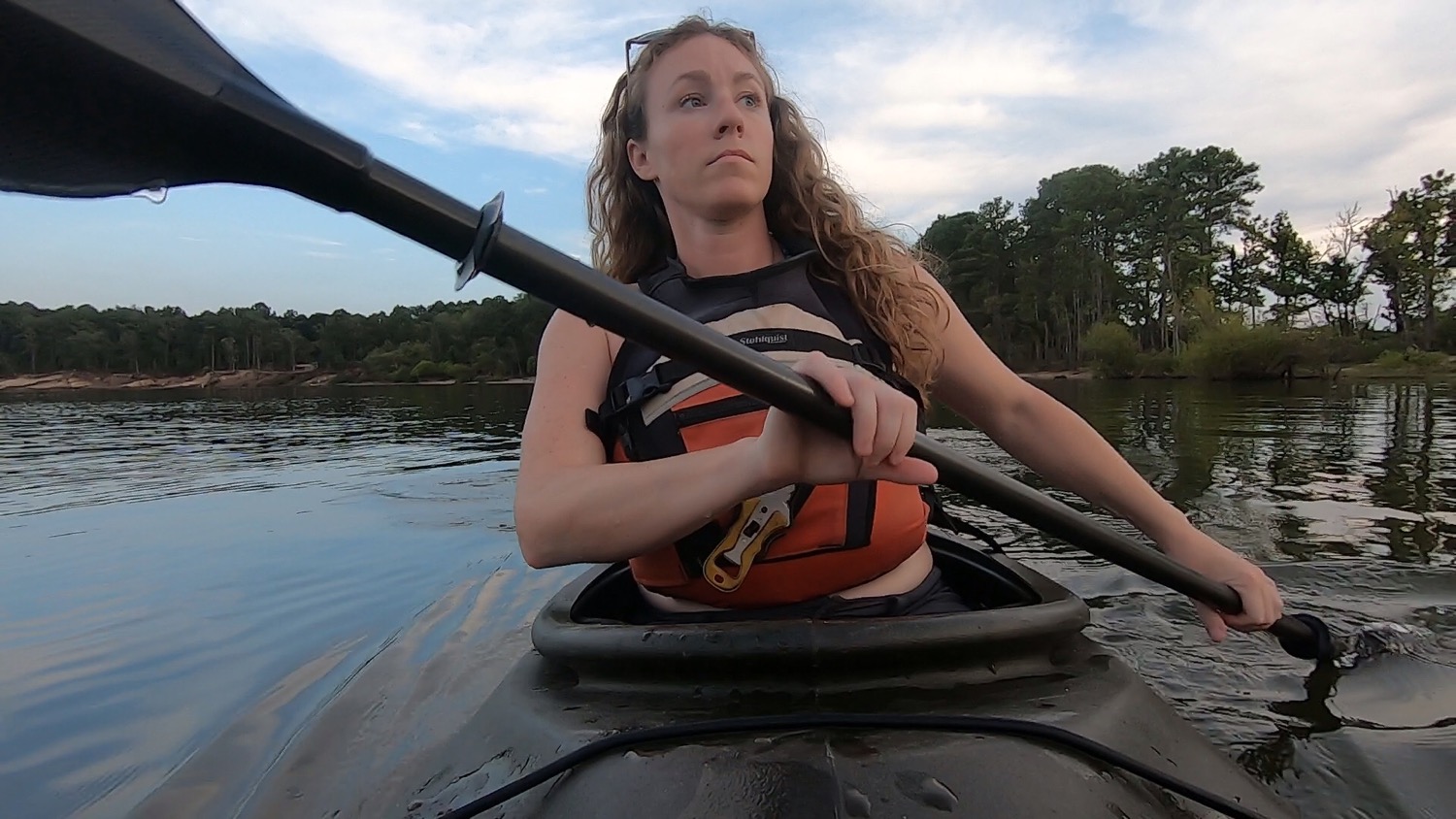
These broad categories allow for flexibility, efficiency, and redundancy. On a day hike in a local park, I might use my phone for both navigation and communication—packing for efficiency. On a backcountry expedition, I'd never rely solely on my phone and would build in redundancy: a map and compass for navigation, a GPS signaling device for communication. The same principle applies to protection. In a cave, my head needs protection from impact- which a helmet provides. While sea kayaking my head needs protection from the sun, so I pack a a wide brimmed hat. Same category- different hazards = different solutions.
The categories never change. What goes in them does.
That's the difference between a list and a system. A list tells you what to carry. A system teaches you how to think — so you can answer those seven questions at the top of this post and build exactly the right kit for the trip you're headed out on, whether it's a sunset paddle with friends or a climbing trip to the mountains.
Want to go deeper on one of these systems? I wrote a short book on applying this exact framework to building a first aid kit — how to decide between redundancy and efficiency, what to bring, and how much of it. Get it here.


Comments